COLD CHAIN PACKAGING FOR PERISHABLES
Meat, seafood, dairy, and meal kits. Arrive-frozen or arrive-cold — pick the standard, then build the box to hit it on your worst lane, not your average one.
PICK A STANDARD BEFORE YOU PICK A BOX
Almost every expensive perishables packaging mistake traces back to skipping this step. "Keep it cold" is not a specification. There are two defensible standards, and they require different insulation, different refrigerant, and different carrier decisions.
ARRIVE FROZEN
The product is solidly frozen on arrival, with no partial thaw. This is the standard for most frozen protein, ice cream, and anything a customer will refreeze. It requires dry ice or a substantial frozen gel load and it sets a hard ceiling on transit time.
ARRIVE COLD (REFRIGERATED)
The product arrives at refrigerated temperature and goes straight into a fridge. This is the standard for fresh fish, prepared meals, dairy, and meal kits. Heavy gel loads, no dry ice, and containment becomes the dominant design problem.
WHAT ACTUALLY GOES WRONG
CONTAINMENT, NOT TEMPERATURE
The failure nobody specs for. Thawing gel packs, purge from raw protein, and melting ice all produce liquid. A box that holds temperature perfectly and leaks onto a doorstep is still a failed shipment.
WALL THICKNESS UNDER-SPECCED
Refrigerant only buys time within the ceiling insulation sets. Adding gel to a thin liner adds weight and cost without adding much hold time. Wall thickness is the spec that matters most.
ONE SPEC ALL YEAR
The configuration that worked in February will not hold the same lane in August. Perishables programs need at least a summer and a winter spec, and the summer one needs to be sized to peak ambient.
WEEKEND EXPOSURE
A Friday ship date on a two-day service means a parcel sitting in a network through Sunday. Ship-day discipline eliminates an entire class of failure at zero packaging cost.
DIM WEIGHT CREEP
Oversized boxes get billed on volume, not contents. Right-sizing and switching from bulky EPS to a thinner-walled liner of equal performance can move the per-shipment cost more than any carrier negotiation.
VALIDATING THE AVERAGE LANE
The average lane always passes. Validate the longest transit to the hottest destination in the worst week of the year — that is the configuration you actually need to survive.
SHIPPERS FOR PERISHABLE FOOD
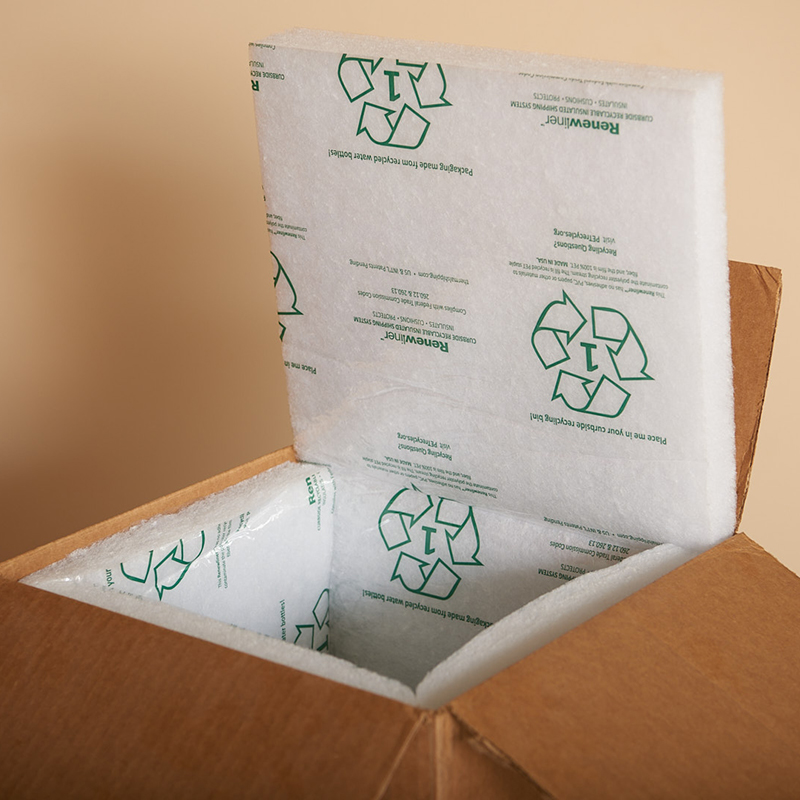
FROSTLINER
The workhorse for perishables. Curbside-recyclable rPET liner that drops into your existing corrugated carton — 40% lighter than EPS foam with equivalent thermal performance. Keeps your box line and automation intact while removing foam from the unboxing experience.
VIEW DETAILS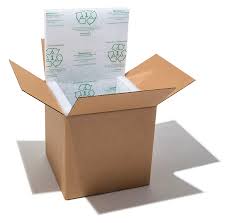
FROSTBOX
Pre-fabricated insulated corrugated boxes from 6×6×6" to 12×12×12", custom dimensions available. Double-wall construction for heavy protein loads and rough handling. The right call when you want a single SKU rather than box-plus-liner.
VIEW DETAILS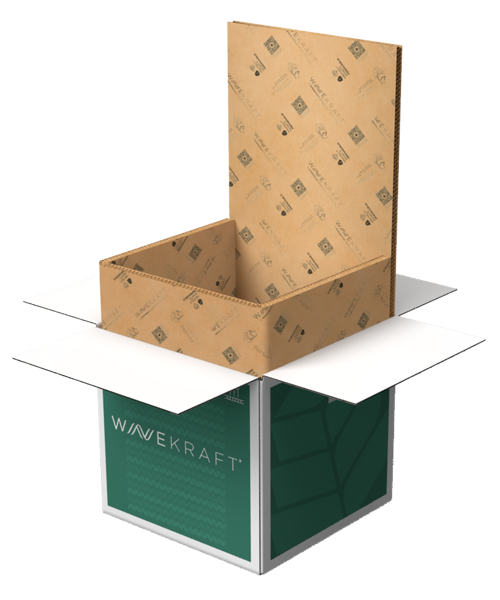
FROSTWAVE
Fully customizable paper-based insulation panels, curbside recyclable, variable thickness. For brands that want a fiber-only unboxing with no plastic film at all. MOQs as low as one pallet.
VIEW DETAILS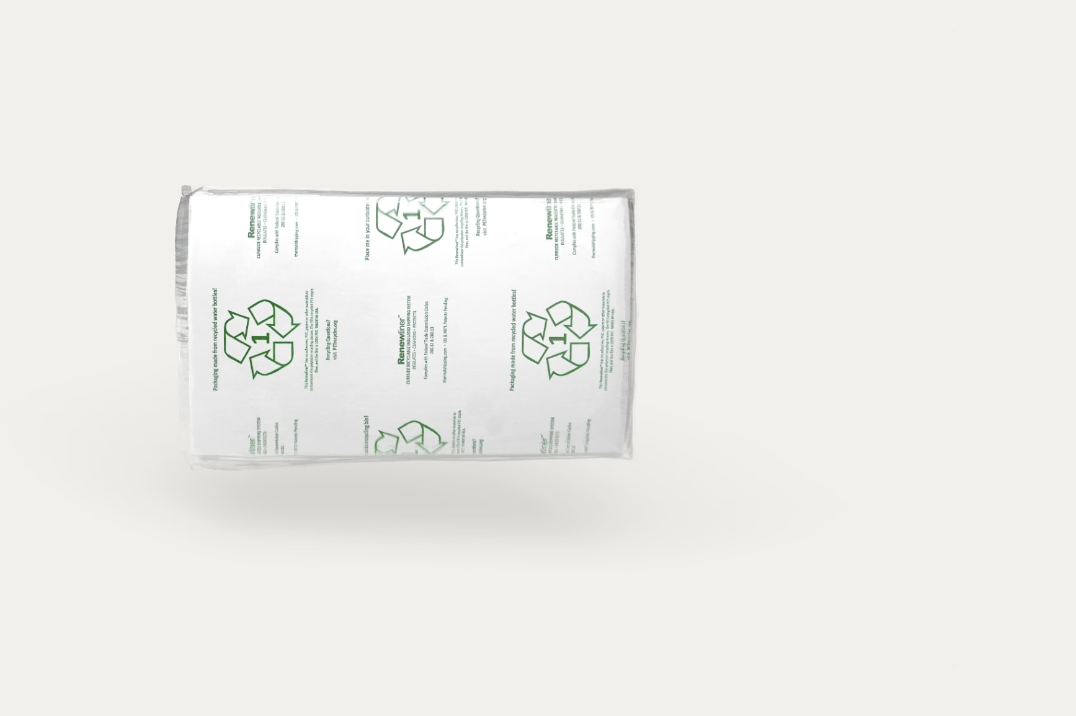
REFRIGERANTS
FrostGel packs, FrostSheet phase-change material, and FrostFreeze for frozen lanes. Gel manufactured on-site at seven facilities, so refrigerant arrives fresh rather than having crossed the country first.
VIEW DETAILSCONFIGURATION STARTING POINTS
First-pass configurations by product type and transit lane. Final specs depend on payload mass, pre-conditioning, destination ambient, and which of the two standards you are shipping to.
| PRODUCT TYPE | STANDARD | PACKAGING | HOLD TARGET |
|---|---|---|---|
| Frozen protein, ice cream | Arrive frozen | FrostBox 10×10×10" or heavy FrostLiner | Dry ice, overnight |
| Fresh fish & seafood | Arrive cold | FrostBox 10×10×10" + containment | 48–60 hrs |
| Meal kits, mixed loads | Arrive cold | FrostLiner 10×10×10" or FrostWave | 48–72 hrs |
| Dairy & specialty | Arrive cold | FrostBox 8×8×8" | 36–48 hrs |
| Summer lanes, any product | Either | Step up wall thickness | Re-sized to peak ambient |
Directional only. Hold times move with ambient temperature, payload mass, refrigerant load, and pre-conditioning — a pack-out consultation resolves the real number for your lanes.
WHY PERISHABLES BRANDS WORK WITH US
RECYCLABLE WITHOUT A PERFORMANCE PENALTY
FrostLiner is 100% rPET and curbside recyclable at 40% less weight than EPS. For a food brand, removing foam from the unboxing is a retention feature, not just a sustainability line item.
REFRIGERANT MADE LOCALLY
Gel is manufactured on-site at seven of our facilities alongside packaging inventory, which shortens the refrigerant supply chain and keeps product fresh.
SEASONAL SPECS, NOT ONE SPEC
We build you a summer configuration and a winter configuration, and tell you when to switch. Running one spec year-round means overspending for eight months and under-protecting for four.
DIM WEIGHT MODELED UP FRONT
We calculate billable weight for the configuration before you commit, so the packaging decision and the freight decision get made together instead of six weeks apart.
NO MOQ ON STANDARDS
Order samples, a single pallet, or a truckload. Volume discounts available on request, with predictable per-unit costs as you scale.
LEAD TIMES IN WRITING
Every quote states the lead time for your specific SKUs and quantity before you commit. No ship-date promises we cannot keep.
GO DEEPER
How to Ship Meat & Seafood
Fresh vs frozen standards, containment design, refrigerant by mode, and transit limits.
How to Ship Frozen Food Overnight
The arrive-frozen standard, dry ice vs frozen gel, carrier rules, and when 2-day ground is genuinely safe.
Meal Kit Packaging
Keeping mixed food loads cold for 48 hours, gel layout, and the fiber-based tradeoff.
How Many Gel Packs Per Box
Sizing guidance by box, season, and transit time.
Dry Ice vs Gel Packs
A decision guide by product type, with the carrier and handling implications of each.
Liners vs Foam Coolers
Format comparison for perishables, including dimensional weight and unboxing impact.
FREQUENTLY ASKED QUESTIONS
Should I ship my product fresh or frozen?
Frozen is more forgiving thermally and sets a clearer arrival standard, but it changes the product the customer receives and requires dry ice or a heavy frozen gel load. Fresh preserves the product experience but demands tighter transit control and much better containment. Pick based on what the customer should receive, then engineer to that.
How do meal kits stay cold for 48 hours?
Wall thickness first, then a gel layout that accounts for a mixed load rather than treating the box as uniform. Meal kits are thermally awkward because the payload is heterogeneous — dense proteins and light produce cool at different rates in the same carton.
Can I use gel packs instead of dry ice for frozen food?
Sometimes, on short lanes with enough frozen gel mass and adequate insulation. For a true arrive-frozen standard over longer transit, dry ice is usually the practical answer. The tradeoff involves carrier rules and handling requirements, not just thermal performance.
How much more refrigerant does a summer configuration need?
Enough that it should be a separate spec, not an adjustment. The honest number depends on your lanes and peak destination ambient. We size it against real delivery-day conditions rather than a national average.
Is recyclable insulation as good as EPS foam?
FrostLiner delivers equivalent thermal performance at 40% less weight than EPS, and it is curbside recyclable rather than requiring the customer to deal with foam. For most perishables lanes it is a straight upgrade on both cost and experience.
Do you have minimum order quantities?
No MOQs on standard products. Samples, single pallets, and full truckloads are all fine. Custom FrostWave sizes carry pallet-quantity MOQs.
GET YOUR PERISHABLES SPEC BUILT
Tell us the product, the lanes, the transit times, and the season you are worried about. We will spec insulation and refrigerant, model the billable weight, and confirm lead time in writing.